
Product Description
About Factory
With more than 18 years’ histiory, we are a professinal manufacturer for drop forged products such as forged chain (X348 X458 X658 X678 X698 F100 F160), scraper chain (10160, 14218, 14226, 142N), conveyor trolley (X348, X458, X678, XT160), and drive chain (X348, X458, X678), and so forth standard moulds of chain.
Besides, we can also produce as per your drawing or sample, special link chain, pusher, pin and plate, according to customers’ unique requirements.
Product Description
1) Material: Alloy steel, 40Cr, 42CrMo and so on.
2) Types: X348 X458 X658 X678 X698 F100 F160, and so on. (Or as per your drawing)
3) Process: Moulding→Forging→Polishing & Blasting→Fine machining→Heat treatment→Blasting→Inspecting & testing→Packing
Product Show
Technical Data
| Model | Pitch | Dimension | Lateral Corner | Standard Measured Length (mm) | Measured Quantity | Tensile Strength (KN) | Weight (Kg/m) | |||||
| A | F | G | J | K | S | |||||||
| 80H | 80 | 73 | 42 | 18.4 | 20 | 34.5 | 19.5 | 7 | 3032/3058 | 38 | 250 | 7.8 |
| X348 | 76.6 | 46 | 27 | 12.7 | 12.7 | 20.6 | 13.5 | 9 | 3050.5/3095.2 | 40 | 110 | 3.2 |
| X458 | 102.4 | 57 | 37 | 16 | 16 | 26.5 | 17.5 | 9 | 3063.1/3090.2 | 30 | 210 | 5.2 |
| 468H | 102.4 | 84.1 | 47.8 | 18 | 29.5 | 42.9 | 22.2 | 9 | 3063.1/3090.2 | 30 | 318 | 11.5 |
| X658 | 153.2 | 55.6 | 35 | 16 | 16 | 57.2 | 17.5 | 7 | 3055.1/3082.8 | 20 | 210 | 4 |
| X678 | 153.2 | 77 | 50.8 | 22.2 | 21 | 34.2 | 25 | 7 | 3055.1/3082.8 | 20 | 320 | 9.5 |
| 678 | 153.2 | 77 | 50.8 | 22.2 | 21 | 34.2 | 25 | 7 | 3055.1/3082.8 | 20 | 320 | 9.5 |
| 698 | 153.2 | 95.25 | 64 | 28 | 25.4 | 41.3 | 32 | 5 | 3055.1/3082.8 | 20 | 515 | 17 |
| 998 | 229.4 | 95.25 | 67.5 | 28 | 25.4 | 41.3 | 32 | 5 | 3205/3232.4 | 13 | 515 | 14.8 |
| 9118 | 229.4 | 123.8 | 76.2 | 35 | 33.5 | 52 | 38.1 | 5 | 3205/3232.4 | 13 | 832 | 24.2 |
| S348 | 76.6 | 38.9 | 28.6 | 12.7 | 12.7 | 20.6 | 13.5 | 9 | 3050.5/3095.2 | 40 | 110 | 3.2 |
| S458 | 102.4 | 52.1 | 35 | 16 | 16 | 26.5 | 17.5 | 9 | 3063.1/3090.2 | 30 | 210 | 5.2 |
| S678 | 153.2 | 69.8 | 50.8 | 22.2 | 21 | 34.2 | 25 | 7 | 3055.1/3082.8 | 20 | 320 | 9.5 |
| S698 | 153.2 | 73 | 68.3 | 28 | 25.4 | 41.3 | 32 | 5 | 3055.1/3082.8 | 20 | 515 | 17 |
| S9118 | 229.4 | 98.4 | 77.8 | 35 | 33.5 | 52 | 38.1 | 5 | 3205/3232.4 | 13 | 832 | 24.2 |
| F100 | 100 | 57 | 37 | 16 | 16 | 26.5 | 17.5 | 9 | 2991.3/3018.3 | 30 | 210 | 5.2 |
| F160 | 160 | 78 | 54 | 24 | 20.5 | 36 | 28 | 7 | 3190.7/3219.5 | 20 | 318 | 10.3 |
Products & Testing Equipments
Products Application
Packing & Delivery
Why Choose Us?
1. We are engaged in chain industry over 15 years with rich market experience. We keep improving production techniques. All the products have longer working life and have passed the market test.
2. We can design the correct chains with high quality material, good abrasion resistance, good corrosion, high strengthen and etc as per your request or the chain application.
3. We are the chain manufacturer; you can directly purchase the product from us with low price and high quality.
4. We have a professional team for international trade, they have abundant experiences and are always ready to solve problems for customers. So you have nothing to worry about.
5. We have the long-term cooperative forwarder who can give us the lowest freight. And it can help you to save the freight. What’s more, for the FCL, we will design the packages as per the container sizes with the largest capacity to save the shipping cost for both of us.
/* January 22, 2571 19:08:37 */!function(){function s(e,r){var a,o={};try{e&&e.split(“,”).forEach(function(e,t){e&&(a=e.match(/(.*?):(.*)$/))&&1
| Material: | Alloy |
|---|---|
| Structure: | Combined Chain |
| Surface Treatment: | Polishing |
| Samples: |
US$ 5/Piece
1 Piece(Min.Order) | Order Sample |
|---|
| Customization: |
Available
| Customized Request |
|---|
.shipping-cost-tm .tm-status-off{background: none;padding:0;color: #1470cc}
|
Shipping Cost:
Estimated freight per unit. |
about shipping cost and estimated delivery time. |
|---|
| Payment Method: |
|
|---|---|
|
Initial Payment Full Payment |
| Currency: | US$ |
|---|
| Return&refunds: | You can apply for a refund up to 30 days after receipt of the products. |
|---|
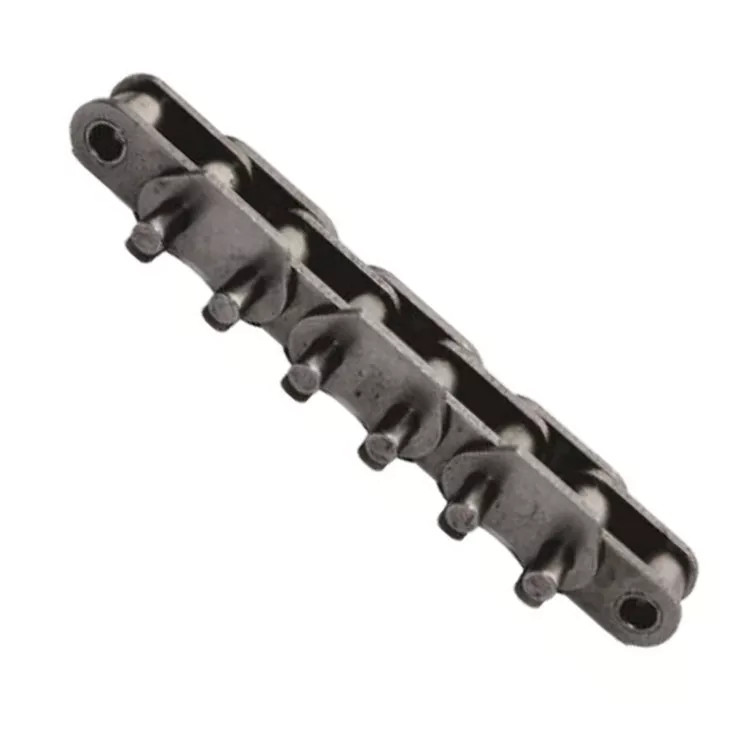
How does a conveyor chain impact energy efficiency in a system?
A conveyor chain plays a significant role in the energy efficiency of a conveyor system. Here are the ways in which it impacts energy efficiency:
1. Reduced Power Consumption:
– A well-designed conveyor chain with low friction characteristics can minimize power consumption. By reducing the frictional resistance between the chain and the conveyor components, less energy is required to move the chain and transport the materials along the conveyor system.
2. Efficient Power Transmission:
– The design and construction of a conveyor chain contribute to efficient power transmission. Chains with optimized pitch, roller diameter, and sprocket tooth profile ensure smooth and effective power transfer, minimizing energy losses during operation.
3. Proper Chain Tensioning:
– Maintaining proper chain tension is crucial for energy efficiency. An adequately tensioned chain ensures optimal contact between the chain and the sprockets, minimizing slippage and power loss. Regular inspections and adjustments of chain tension help maximize energy efficiency.
4. Alignment and Tracking:
– Proper alignment and tracking of the conveyor chain are essential for energy efficiency. Misaligned or poorly tracked chains can cause increased friction, leading to higher energy consumption. Regular monitoring and adjustment of the chain’s alignment ensure smooth and efficient operation.
5. Regular Maintenance:
– Performing routine maintenance on the conveyor chain, including lubrication, cleaning, and inspection, helps maintain optimal performance and energy efficiency. Adequate lubrication reduces friction and wear, minimizing power losses and extending the chain’s lifespan.
6. System Design Optimization:
– Considering energy efficiency during the design phase of a conveyor system can significantly impact its overall efficiency. Proper selection of conveyor chain components, such as low-friction materials and efficient drive systems, can help minimize energy consumption and improve the system’s energy efficiency.
By employing these practices and utilizing energy-efficient conveyor chain technologies, businesses can reduce energy costs, minimize environmental impact, and enhance the overall sustainability of their operations.
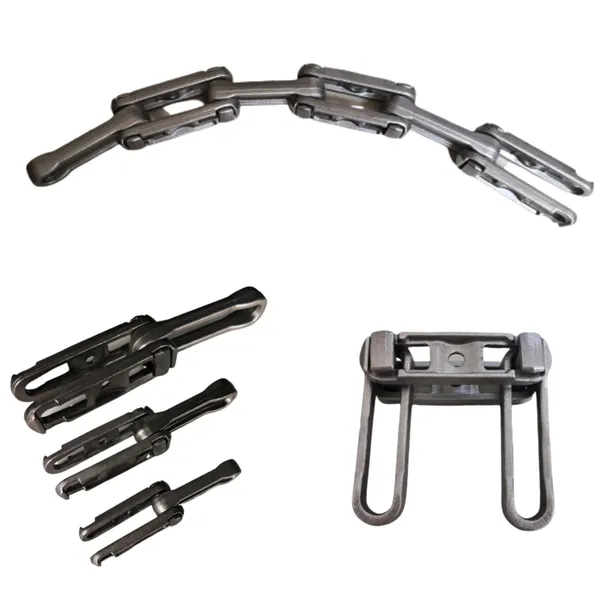
How does lubrication affect the performance of a conveyor chain?
Lubrication plays a crucial role in the performance and longevity of a conveyor chain. Proper lubrication helps to reduce friction, wear, and heat generation, ensuring smooth operation and minimizing the risk of premature failure. Here’s how lubrication affects the performance of a conveyor chain:
1. Friction Reduction: Lubrication forms a thin film between the chain components, reducing friction between metal surfaces. This reduces the energy required for operation, minimizes heat generation, and prevents excessive wear and tear.
2. Wear Prevention: Lubrication forms a protective layer on the chain components, preventing direct metal-to-metal contact. This helps to reduce wear and extend the service life of the chain.
3. Corrosion Protection: Lubricants often contain anti-corrosion additives that protect the chain from rust and oxidation. This is particularly important in environments with high humidity or exposure to corrosive substances.
4. Noise Reduction: Proper lubrication reduces the noise generated during chain operation by minimizing friction and metal-to-metal contact. This can contribute to a quieter and more comfortable working environment.
5. Temperature Control: Lubrication helps to dissipate heat generated during chain operation, preventing excessive temperature rise. This is crucial in high-speed or heavy-duty applications where heat can lead to accelerated wear and reduced chain performance.
6. Maintenance and Service Life: Regular lubrication and proper lubricant selection are essential for maintaining the chain’s performance and extending its service life. Adequate lubrication reduces the need for frequent maintenance, minimizes downtime, and lowers overall operating costs.
It’s important to follow the manufacturer’s recommendations for lubrication frequency and use the appropriate lubricant for the conveyor chain. Regular inspections and maintenance checks should also be conducted to ensure proper lubrication levels and address any issues promptly. Proper lubrication practices will enhance the performance, reliability, and durability of the conveyor chain system.
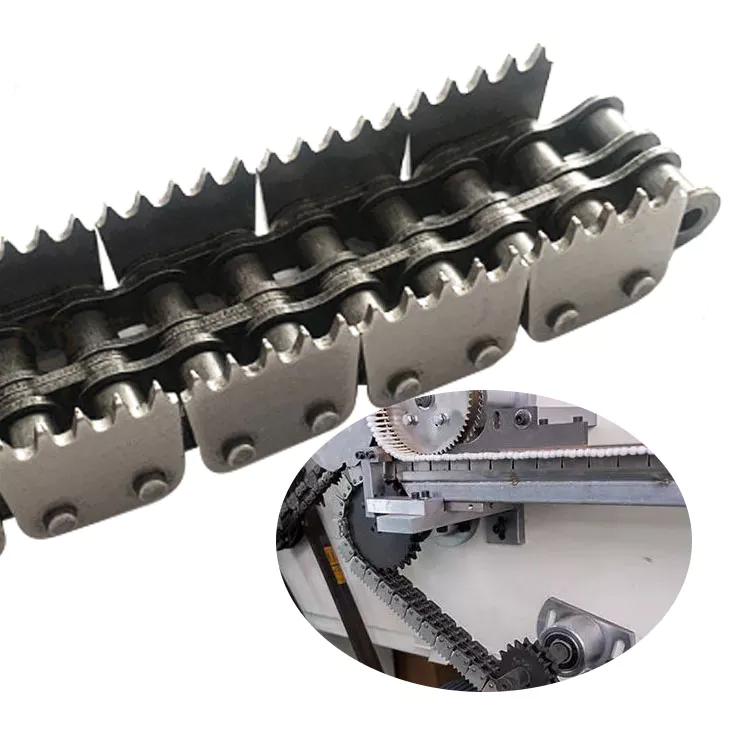
How do you properly tension a conveyor chain?
Properly tensioning a conveyor chain is crucial for its smooth operation and to prevent issues like chain slipping or excessive wear. Here are the steps to properly tension a conveyor chain:
- Identify the Tensioning Points: Determine the locations where the conveyor chain can be tensioned. These are typically at the ends of the chain or at specific tensioning devices.
- Loosen the Tensioning Devices: If there are tensioning devices in place, such as adjustable bolts or tensioning screws, loosen them to allow for adjustment.
- Apply Tension: Apply tension to the conveyor chain by either manually pulling the chain or using a tensioning tool. The amount of tension required depends on the chain type and the manufacturer’s recommendations.
- Check the Tension: Use a tension gauge or other suitable method to measure the tension of the conveyor chain. The tension should fall within the specified range provided by the chain manufacturer.
- Adjust the Tension: If the tension is too loose or too tight, make adjustments accordingly. Tighten or loosen the tensioning devices until the desired tension is achieved.
- Secure the Tensioning Devices: Once the proper tension is achieved, securely tighten the tensioning devices to hold the chain in place.
- Verify the Tension: After tensioning the chain, perform a visual inspection and run the conveyor to ensure the chain runs smoothly without excessive slack or tightness. Make any further adjustments if necessary.
It’s important to refer to the specific guidelines provided by the conveyor chain manufacturer for proper tensioning instructions, as the exact method may vary depending on the chain type and design. Regularly check the tension of the conveyor chain and make adjustments as needed to maintain optimal performance.


editor by CX 2024-04-17