
Product Description
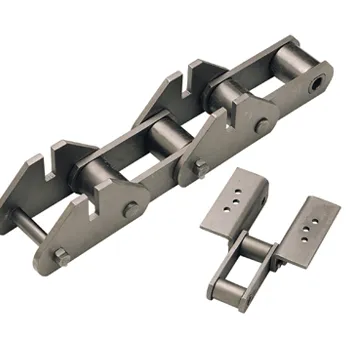
Conveyor Chains (M Series)
Chain No.: M20, M28, M40, M56, M80, M112, M160, M224, M315, M450
Pitch: 40.0mm to 200.0 mm
For Free Samples
Prompt Delivery
Green Product
International Approvals
Experienced Staff
Why choose us?
1. HangZhou Xihu (West Lake) Dis.hua Chain Group Co., Ltd established in 1991, we have 5 subsidiaries in China and also have 6 subsidiaries abroad;
2. We covering a production area of 200, 100 square meters, have more than 1, 800 sets of advanced equipment and over 3, 100 highly skilled employees, the annual production capacity has exceeded 20, 000, 000 meters;
3. We specialized in producing all kinds of standard chains and special chains, such as A or B series chains, driving chains, conveyor chains, dragging chains, agricultural chains and so on;
4. We have obtained ISO9001, ISO14001, ISO16969, AAA and API certificates.
The company is specialized in producing all kinds of standard chains and special chains, E. G. A or B series chains, automobile chains, stainless steel chains, combine harvester chains, heavy-duty cranked link transmission chains, stereo garage chains and maintenance-free chains etc.
In recent years, it invests the capital and depends on the improvement of technology to accelerate the step of new product development and the step of technology reform. It intends to produce high strength and precision chains in order to meet requirements of the domestic and overseas markets. We have enclosed our catalog, which introduces our company in detail and covers the main products we supply at present. You may also visit our online company introduction which includes our latest product line.
Should any of these items be of interest to you, please let us know. We will be happy to give you a quotation CZPT receipt of your detailed requirements.
We look CZPT to receiving your enquires soon.
| Usage: | Transmission Chain |
|---|---|
| Material: | Stainless steel |
| Surface Treatment: | Polishing |
| Feature: | Heat Resistant |
| Chain Size: | 1/2"*11/128" |
| Structure: | Roller Chain |
| Customization: |
Available
| Customized Request |
|---|
Can a conveyor chain be used in overhead conveyor systems?
Yes, a conveyor chain can be used in overhead conveyor systems. Overhead conveyor systems are designed to move materials, products, or components along an elevated path, typically in manufacturing or distribution facilities.
Conveyor chains used in overhead conveyor systems are specially designed to handle the weight and load requirements of the application. They are typically made from durable materials such as steel or stainless steel to ensure strength and longevity.
Here are some key considerations when using a conveyor chain in overhead conveyor systems:
1. Load Capacity:
– Ensure that the conveyor chain has sufficient load capacity to handle the weight of the conveyed items. The load capacity should be determined based on the maximum anticipated load and any potential dynamic forces.
2. Chain Type and Design:
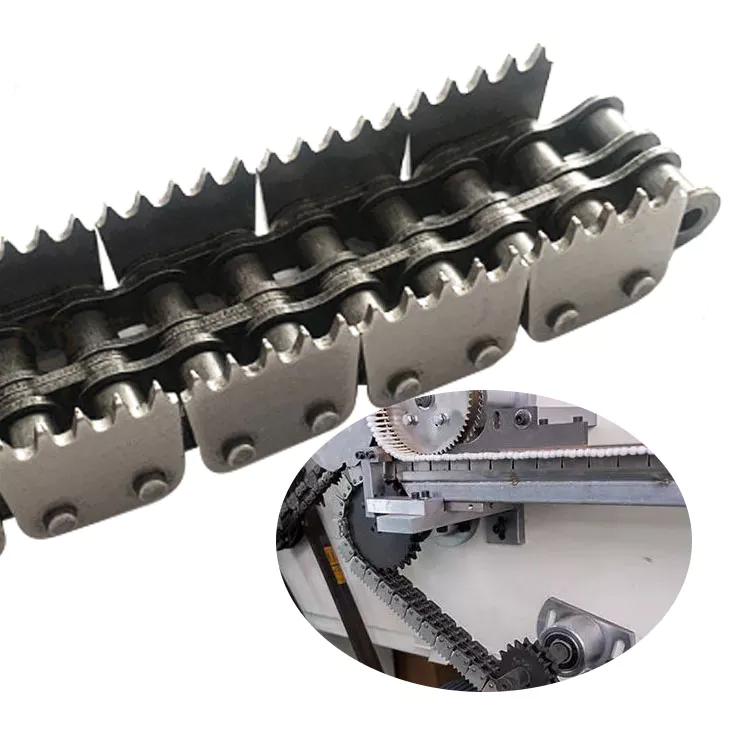
– Select a conveyor chain that is suitable for overhead applications, such as an overhead conveyor chain or an inverted tooth chain. These chains are specifically designed to handle the unique requirements of overhead conveyance.
3. Lubrication:
– Proper lubrication is crucial for the smooth operation of the conveyor chain in an overhead system. Consider using lubricants that are suitable for overhead applications and ensure regular lubrication to minimize friction and wear.
4. Safety Measures:
– Implement appropriate safety measures to prevent accidents and ensure worker safety. This may include installing safety guards, emergency stop systems, and implementing regular maintenance and inspection routines.
It is important to consult with conveyor system manufacturers or experts who specialize in overhead conveyor systems to ensure the conveyor chain is selected and installed correctly for the specific application requirements.

What are the design considerations for a long-span conveyor chain conveyor?
Designing a long-span conveyor chain conveyor requires careful consideration of various factors to ensure its efficiency, safety, and reliability. Here are some key design considerations:
1. Conveyor Chain Selection: Choose a conveyor chain that is suitable for long spans and can withstand the required load capacity. Consider factors such as chain material, pitch, strength, and durability to ensure it can handle the anticipated load and operating conditions.
2. Conveyor Structure: The conveyor structure should be designed to provide sufficient support and stability for the long span. Consider factors such as material strength, rigidity, and deflection to ensure the structure can handle the weight of the conveyor chain, the product being transported, and any additional loads.
3. Drive System: Select an appropriate drive system that can efficiently power the long-span conveyor chain. Consider factors such as motor power, speed, torque, and control mechanisms to ensure smooth and reliable operation.
4. Tensioning and Alignment: Proper tensioning and alignment of the conveyor chain are critical for its performance and longevity. Design the system with adequate provisions for tensioning devices and alignment mechanisms to maintain optimal chain tension and alignment throughout the conveyor’s length.
5. Supports and Bearings: Install adequate supports and bearings along the length of the conveyor to reduce chain sagging, minimize friction, and ensure smooth movement. Consider factors such as bearing type, lubrication, and maintenance requirements.
6. Conveyor Controls and Safety: Implement appropriate controls and safety features to monitor and control the operation of the long-span conveyor chain. This may include emergency stop systems, speed monitoring, overload protection, and safety interlocks.
7. Environmental Factors: Consider the environmental conditions in which the conveyor will operate, such as temperature, humidity, dust, and corrosive substances. Select materials and components that can withstand these conditions and implement proper ventilation, dust collection, and corrosion protection measures.
8. Maintenance and Accessibility: Design the conveyor system with ease of maintenance and accessibility in mind. Provide sufficient access points, walkways, and platforms for inspection, cleaning, and maintenance tasks. Consider factors such as lubrication points, conveyor cleaning systems, and easy replacement of worn components.
9. Future Expansion and Flexibility: Anticipate future needs for expansion or modifications and design the long-span conveyor chain conveyor with flexibility in mind. This may include allowing for additional conveyor sections, transfer points, or integration with other equipment.
By considering these design considerations, a long-span conveyor chain conveyor can be efficiently designed and optimized for its intended application, ensuring reliable and cost-effective material handling operations.
How do you properly tension a conveyor chain?
Properly tensioning a conveyor chain is crucial for its smooth operation and to prevent issues like chain slipping or excessive wear. Here are the steps to properly tension a conveyor chain:
- Identify the Tensioning Points: Determine the locations where the conveyor chain can be tensioned. These are typically at the ends of the chain or at specific tensioning devices.
- Loosen the Tensioning Devices: If there are tensioning devices in place, such as adjustable bolts or tensioning screws, loosen them to allow for adjustment.
- Apply Tension: Apply tension to the conveyor chain by either manually pulling the chain or using a tensioning tool. The amount of tension required depends on the chain type and the manufacturer’s recommendations.
- Check the Tension: Use a tension gauge or other suitable method to measure the tension of the conveyor chain. The tension should fall within the specified range provided by the chain manufacturer.
- Adjust the Tension: If the tension is too loose or too tight, make adjustments accordingly. Tighten or loosen the tensioning devices until the desired tension is achieved.
- Secure the Tensioning Devices: Once the proper tension is achieved, securely tighten the tensioning devices to hold the chain in place.
- Verify the Tension: After tensioning the chain, perform a visual inspection and run the conveyor to ensure the chain runs smoothly without excessive slack or tightness. Make any further adjustments if necessary.
It’s important to refer to the specific guidelines provided by the conveyor chain manufacturer for proper tensioning instructions, as the exact method may vary depending on the chain type and design. Regularly check the tension of the conveyor chain and make adjustments as needed to maintain optimal performance.


editor by CX 2023-08-17