
Product Description
Product Description
| Type of conveyor | Roller Conveyor, Belt Conveyor, Chain Conveyor |
| Advantage | Efficiency, Accuracy, Reliability, Economy, Flexibility |
| Application | Manufacturing, Retail, Warehousing, Logistics, Pharmaceutic, Food&Beverage etc. |
| Chain size | 44/51/63/83/103/140/150/175/295mm |
| Packaging | Foam, bubble wrap, carton, wooden box, pallet or customized packaging according to customer requirements |
| Payment Terms | 3/7, 5/5, 100% prepaid or based on negociation. |
| Drawing Format | JPEG,PDF,DWG,DXF,IGS,STEP,CAD |
| Certification | ISO9001, ISO14001, ISO45001 |
Introduction of Types:
1. Belt conveyor line
Belt conveying line is the most common kind of logistics conveying line, which is mainly composed of belt, driving device, support and accessories. Belt conveying line has the advantages of simple structure, stable operation, easy maintenance and low energy consumption, so it is widely used in various logistics places.
2. Roller conveyor line
Roller conveyor line is mainly composed of roller, driving device, support and accessories. Roller conveyor line has the advantages of strong carrying capacity, large conveying capacity, stable operation, etc., so it is suitable for conveying large items.
3. Chain conveyor line
Chain conveyor line is mainly composed of chain, sprocket, driving device, bracket and accessories. Chain conveying line has the advantages of strong conveying capacity, stable operation and strong bearing capacity, so it is suitable for conveying large items.
Explanation of Advantages:
1. Efficiency: The logistics conveying line can quickly convey and sort the goods according to the predetermined route, thus improving the logistics efficiency.
2. Accuracy: The high degree of automation of the logistics conveying line can accurately complete the task of sorting and conveying the goods, and reduce human error.
3. Reliability: The mechanical parts of the logistics conveying line are specially designed and manufactured to ensure long service life and stability.
4. Economy: The construction and maintenance cost of logistics conveying line is relatively low, which can save cost for enterprises.
5. Flexibility: the logistics conveying line can be adapted to different kinds and sizes of goods, and can be adjusted and optimized according to the actual needs.
Application of Fields:
1.In the manufacturing industry, conveyor lines are used to transport raw materials, semi-finished products and finished products from 1 place to another, realizing the automation and high efficiency of the production process.
2.In the retail industry, conveyor lines are used to transport goods from the warehouse to the shelves to improve the efficiency of replenishment and display.
3.In the warehousing industry, conveyor lines are used to automate the entire process of goods entering and leaving the warehouse, improving the efficiency and precision of warehouse management.
4.In the logistics industry, logistics conveyor lines are used to transport goods from 1 transportation link to another, realizing the automation and high efficiency of the whole logistics process.
Detailed Photos
Packaging & Shipping
/* January 22, 2571 19:08:37 */!function(){function s(e,r){var a,o={};try{e&&e.split(“,”).forEach(function(e,t){e&&(a=e.match(/(.*?):(.*)$/))&&1
| Material: | Plastic |
|---|---|
| Structure: | Scraper Chain |
| Surface Treatment: | Polishing |
| Chain Size: | 1/2"*3/32" |
| Feature: | Oil Resistant, Heat Resistant |
| Product Name: | Flexible Chain |
| Samples: |
US$ 10/Meter
1 Meter(Min.Order) | |
|---|
| Customization: |
Available
| Customized Request |
|---|
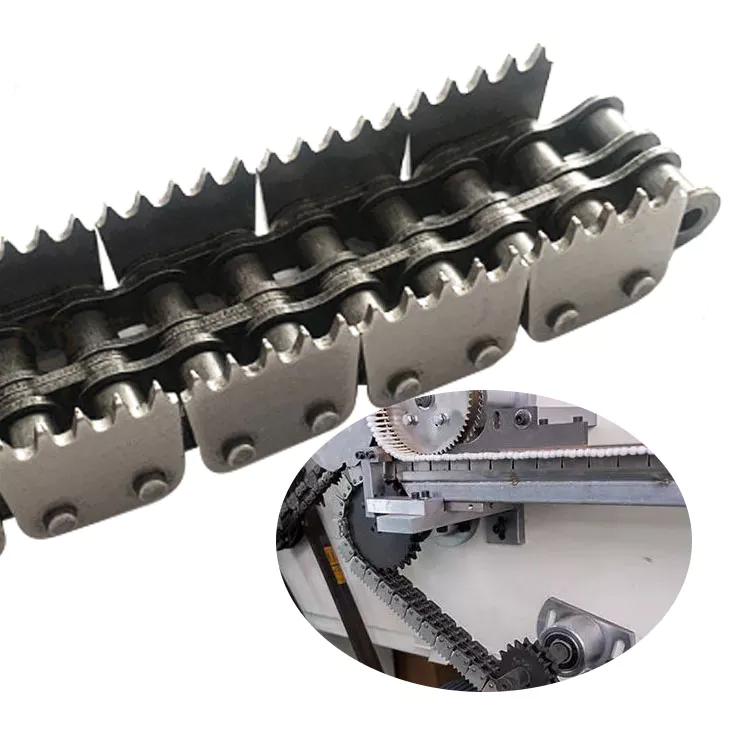
What are the benefits of using a silent conveyor chain?
A silent conveyor chain, also known as a noise-reducing conveyor chain, offers several advantages in conveyor system applications:
1. Noise Reduction:
– One of the primary benefits of using a silent conveyor chain is the significant reduction in noise levels. These chains are specifically designed to minimize the noise generated during operation, creating a quieter and more comfortable working environment.
2. Improved Work Environment:
– By reducing noise levels, a silent conveyor chain contributes to a better work environment, particularly in settings where noise reduction is important, such as manufacturing facilities, warehouses, and distribution centers. It helps reduce employee fatigue, enhances communication, and improves overall worker satisfaction.
3. Compliance with Noise Regulations:
– In some industries or regions, there are specific noise regulations that must be met. Using a silent conveyor chain helps ensure compliance with these regulations, avoiding potential penalties and legal issues.
4. Increased Productivity:
– A quieter working environment created by a silent conveyor chain can lead to increased productivity. With reduced noise distractions, employees can focus better on their tasks, resulting in improved efficiency and output.
5. Extended Chain and Equipment Life:
– Silent conveyor chains are often designed with advanced materials and technologies that offer enhanced wear resistance and durability. They can withstand heavy loads, reduce friction, and minimize wear and tear on both the chain and the associated equipment, resulting in longer service life and reduced maintenance costs.
6. Versatility:
– Silent conveyor chains are available in various configurations and designs, making them compatible with a wide range of conveyor systems and applications. They can be used in different industries, including automotive, food processing, packaging, and more.
When considering a silent conveyor chain, it is important to consult with a reputable chain manufacturer or supplier to ensure the chain meets the specific requirements of the application.
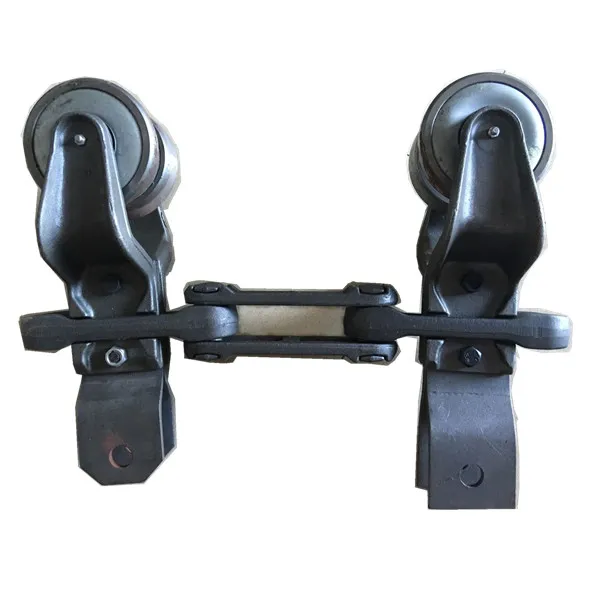
What are the design considerations for a long-span conveyor chain conveyor?
Designing a long-span conveyor chain conveyor requires careful consideration of various factors to ensure its efficiency, safety, and reliability. Here are some key design considerations:
1. Conveyor Chain Selection: Choose a conveyor chain that is suitable for long spans and can withstand the required load capacity. Consider factors such as chain material, pitch, strength, and durability to ensure it can handle the anticipated load and operating conditions.
2. Conveyor Structure: The conveyor structure should be designed to provide sufficient support and stability for the long span. Consider factors such as material strength, rigidity, and deflection to ensure the structure can handle the weight of the conveyor chain, the product being transported, and any additional loads.
3. Drive System: Select an appropriate drive system that can efficiently power the long-span conveyor chain. Consider factors such as motor power, speed, torque, and control mechanisms to ensure smooth and reliable operation.
4. Tensioning and Alignment: Proper tensioning and alignment of the conveyor chain are critical for its performance and longevity. Design the system with adequate provisions for tensioning devices and alignment mechanisms to maintain optimal chain tension and alignment throughout the conveyor’s length.
5. Supports and Bearings: Install adequate supports and bearings along the length of the conveyor to reduce chain sagging, minimize friction, and ensure smooth movement. Consider factors such as bearing type, lubrication, and maintenance requirements.
6. Conveyor Controls and Safety: Implement appropriate controls and safety features to monitor and control the operation of the long-span conveyor chain. This may include emergency stop systems, speed monitoring, overload protection, and safety interlocks.
7. Environmental Factors: Consider the environmental conditions in which the conveyor will operate, such as temperature, humidity, dust, and corrosive substances. Select materials and components that can withstand these conditions and implement proper ventilation, dust collection, and corrosion protection measures.
8. Maintenance and Accessibility: Design the conveyor system with ease of maintenance and accessibility in mind. Provide sufficient access points, walkways, and platforms for inspection, cleaning, and maintenance tasks. Consider factors such as lubrication points, conveyor cleaning systems, and easy replacement of worn components.
9. Future Expansion and Flexibility: Anticipate future needs for expansion or modifications and design the long-span conveyor chain conveyor with flexibility in mind. This may include allowing for additional conveyor sections, transfer points, or integration with other equipment.
By considering these design considerations, a long-span conveyor chain conveyor can be efficiently designed and optimized for its intended application, ensuring reliable and cost-effective material handling operations.
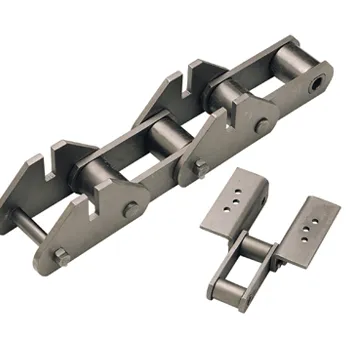
What are the industry standards and regulations for conveyor chains?
In the field of conveyor chains, there are several industry standards and regulations that help ensure safety, performance, and quality. Some of the commonly recognized standards include:
1. ISO 1977:2013 – Conveyor chains, attachments, and sprockets: This International Organization for Standardization (ISO) standard specifies the requirements and dimensions for various types of conveyor chains, attachments, and sprockets used in general industrial applications.
2. ANSI/ASME B29.1 – Precision Power Transmission Roller Chains, Attachments, and Sprockets: This American National Standard Institute (ANSI) standard provides guidelines for the design, dimensions, and performance of roller chains, attachments, and sprockets used in power transmission systems, including conveyor chains.
3. CEMA – Conveyor Equipment Manufacturers Association: CEMA publishes various standards and technical documents related to conveyor systems, including conveyor chains. These standards cover topics such as safety, design, installation, maintenance, and operation of conveyor equipment.
4. OSHA – Occupational Safety and Health Administration: OSHA is a regulatory agency in the United States that sets and enforces safety standards for workplaces. They have specific regulations related to conveyor systems, including requirements for guarding, maintenance, and employee safety.
5. Local and National Building Codes: Depending on the location and application, there may be specific building codes or regulations that dictate the design, installation, and operation of conveyor chains. These codes ensure compliance with safety and structural requirements.
It’s important for conveyor chain manufacturers, system integrators, and end-users to adhere to these industry standards and regulations to ensure the safe and reliable operation of conveyor systems. Compliance with these standards helps to maintain worker safety, promote system performance, and ensure compatibility and interchangeability of conveyor chain components.


editor by CX 2024-03-29