Description
Product Overview
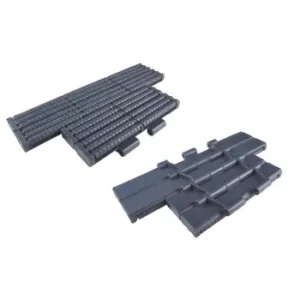
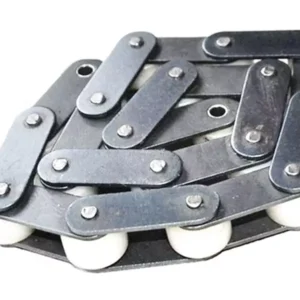
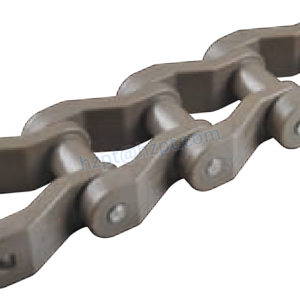
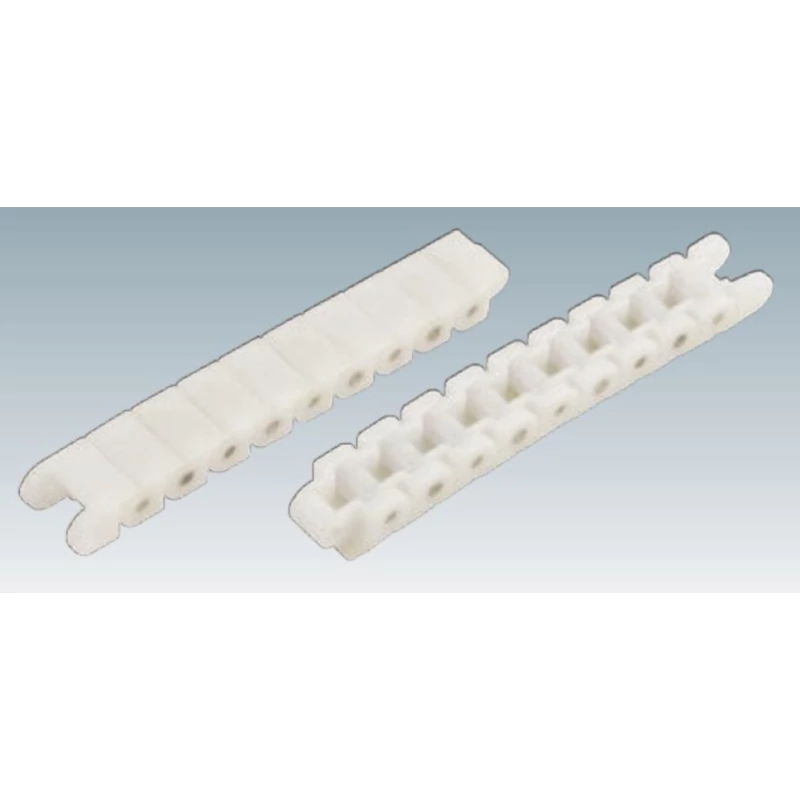
Plastic roller chains in the C2000-series (C2042, C2052, C2062H, C2082H) are engineered replacements for standard ANSI heavy-duty roller chains in applications where the environment or product requirements make steel chains unsuitable. The C prefix denotes corrosion-resistant construction; the 20xx designation indicates the ANSI heavy-duty chain series; the H suffix (where present) indicates a heavy-duty link plate. These chains use engineering plastic link plates — typically POM or PA66 — with stainless steel rollers and pins, combining the dimensional compatibility of ANSI standardised chains with the corrosion resistance and self-lubricating properties of plastic. EverPower plastic chain Australia supplies the full C2000 plastic roller chain series as direct replacements for System Plast equivalents and standard ANSI steel chains.
The primary selection driver for C-series plastic roller chains over steel is resistance to corrosion in wet wash-down, high-humidity, or chemically active environments. In Australian food processing — particularly seafood, meat, dairy, and produce washing — stainless steel roller chains are standard where plastic chains cannot meet the tensile load requirement. Where plastic can meet the load requirement, C-series chains provide equivalent corrosion resistance to SUS304 steel chains at lower weight and with full self-lubrication capability.
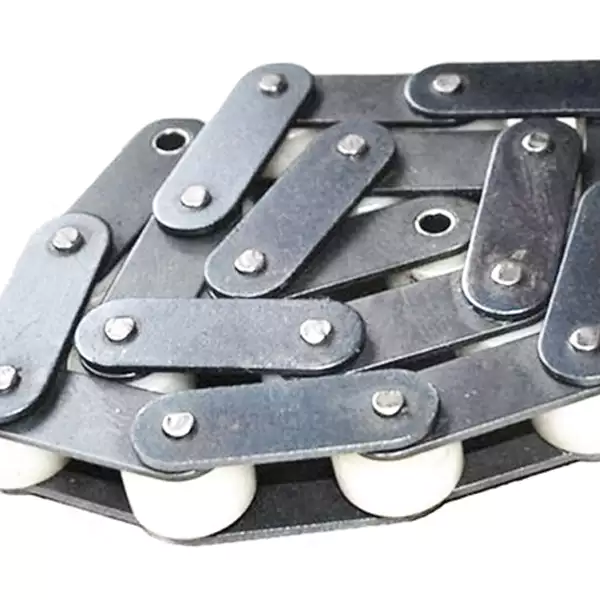
C2000-Series Technical Specifications
| Chain No. | ANSI Pitch | Inner Width | Roller Dia. | Link Plate | Max Allowable Load | Material |
|---|---|---|---|---|---|---|
| C2042 | 25.4 mm (1″) | 7.95 mm | 7.92 mm | Standard | ~890 N | POM / SUS304 pin |
| C2052 | 31.75 mm (1¼”) | 9.53 mm | 10.16 mm | Standard | ~1,360 N | POM / SUS304 pin |
| C2062H | 38.10 mm (1½”) | 12.70 mm | 11.91 mm | Heavy | ~2,000 N | PA66 / SUS304 pin |
| C2082H | 50.80 mm (2″) | 15.88 mm | 15.88 mm | Heavy | ~3,100 N | PA66 / SUS304 pin |
When to Specify Plastic vs Stainless Steel Roller Chain
The decision between plastic roller chain and SUS304 stainless steel roller chain for a given application involves three primary considerations: load, speed, and environment. Plastic roller chains carry lower maximum allowable loads than equivalent ANSI steel chains — C2042 at approximately 890 N versus ANSI 2042 steel at approximately 3,100 N — so load is the first screening criterion. Where load exceeds the plastic chain rating, stainless steel is required regardless of environmental preference.
Where load is within the plastic chain rating, the environmental advantage of plastic chains is significant. Steel roller chains in food processing wet zones require frequent lubrication with H1 food-grade oil, generate metallic wear debris as the pin-bushing interface wears, and are subject to crevice corrosion at the pin-plate interface despite SUS304 grade steel. Plastic roller chains require no lubrication in most food processing environments, generate only POM or PA66 wear particles (food-contact compliant), and are immune to crevice corrosion because the chain does not contain dissimilar metal interfaces in the food-contact portion.
C2062H and C2082H: Heavy Link Plates for Higher Loads
The H suffix designates a heavy link plate — a thicker, wider link plate profile that increases the allowable transverse bending load and the effective tensile area of the link plate. For the C2062H, the heavy plate brings the maximum allowable load to approximately 2,000 N — sufficient for drive applications in medium-duty processing machinery, including fish gutting conveyors, poultry transfer lines, and produce washing elevator drives where the standard plastic chain cannot meet the load requirement but corrosion resistance is essential.
The C2082H at 50.8 mm pitch and 3,100 N maximum allowable load bridges the gap between standard plastic roller chain capacity and full SUS304 chain requirement. In Australian processing applications, C2082H is specified for the heavier drive sections of crustacean and shellfish processing lines where regular chemical wash-down with chlorine-based sanitisers would rapidly corrode a standard roller chain but where the load is at the upper limit of plastic chain capability.
Operating Without Lubrication: The Self-Lubricating Advantage
POM and PA66 both contain no external lubricant requirement under normal food processing conveyor operating conditions. The polymer matrix itself provides a low-friction interface at the pin-bushing contact under the operating loads of the C-series chains. In practice, plastic roller chains in food processing drive applications are run completely dry, with cleaning water and sanitiser as the only fluid contact. This is in direct contrast to steel roller chains, which require H1 food-grade oil at the pin-bushing interface to maintain acceptable wear rates.
The absence of lubrication in plastic roller chain operation eliminates the contamination risk associated with oil drip, overspray, and wash-down oil residue — a significant compliance advantage on open food contact lines. It also eliminates the cost and labour of scheduled lubrication intervals and the risk of lubrication task omission that is the most common cause of premature wear on steel chains in food manufacturing environments.
Matched Components EverPower Supplies
| Component | Description | Availability |
|---|---|---|
| C2042 / C2052 Sprockets | Plastic and SUS304, ANSI tooth profile | ✓ On request |
| C2062H / C2082H Sprockets | Heavy-duty, matched to H-series link plate | ✓ On request |
| Connecting / Master Links | All C2000 sizes, SUS304 stainless | ✓ In stock |
| NH45 / NH78 Plastic Drive Chains | Complementary plastic drive chain range | ✓ In stock |
What Our Customers Say
“C2052 plastic roller chain on our salmon processing line elevator drive. Previously we were on SUS304 steel chain and replacing it every 8 months due to crevice corrosion at the pin plates. C2052 at 14 months shows minimal wear and no corrosion. The no-lubrication operation also eliminated the oil film on the salmon that our QA team kept flagging.”
— Maintenance Engineer, Salmon Processing, Hobart TAS
“C2062H on our poultry transfer conveyor drive — the load was too high for standard plastic chain but we needed the wash-down corrosion resistance. The heavy link plate C2062H handles the load and has gone 16 months without adjustment or replacement. Exactly the product we needed.”
— Plant Engineer, Poultry Processing, Toowoomba QLD
“Switched from SUS304 to C2042 on our salad washing conveyor drive. Load was clearly within the plastic rating. No lubrication needed — our food safety team signed off immediately on the contamination risk reduction. Simple change, clear benefit.”
— Food Safety Coordinator, Produce Processing, Melbourne VIC